
Using Larch Timber in Garden Landscaping: Decking, Edging and Raised Beds
Larch has quietly become one of the most useful timbers in a British garden. It grows here in quantity, it is harder and more resinous than most softwoods, and it weathers to a soft silver-grey that suits almost any planting scheme. It is also forgiving: someone with a saw, a drill and a bit of patience can build a deck, edge a path or knock together a raised bed in a weekend. The catch is that larch is not oak or sweet chestnut, and it will not last if you treat it as though it were.
Here is a straightforward guide to picking the right boards, protecting them properly, and using them in the three projects most gardeners start with.
What makes larch different from other softwoods
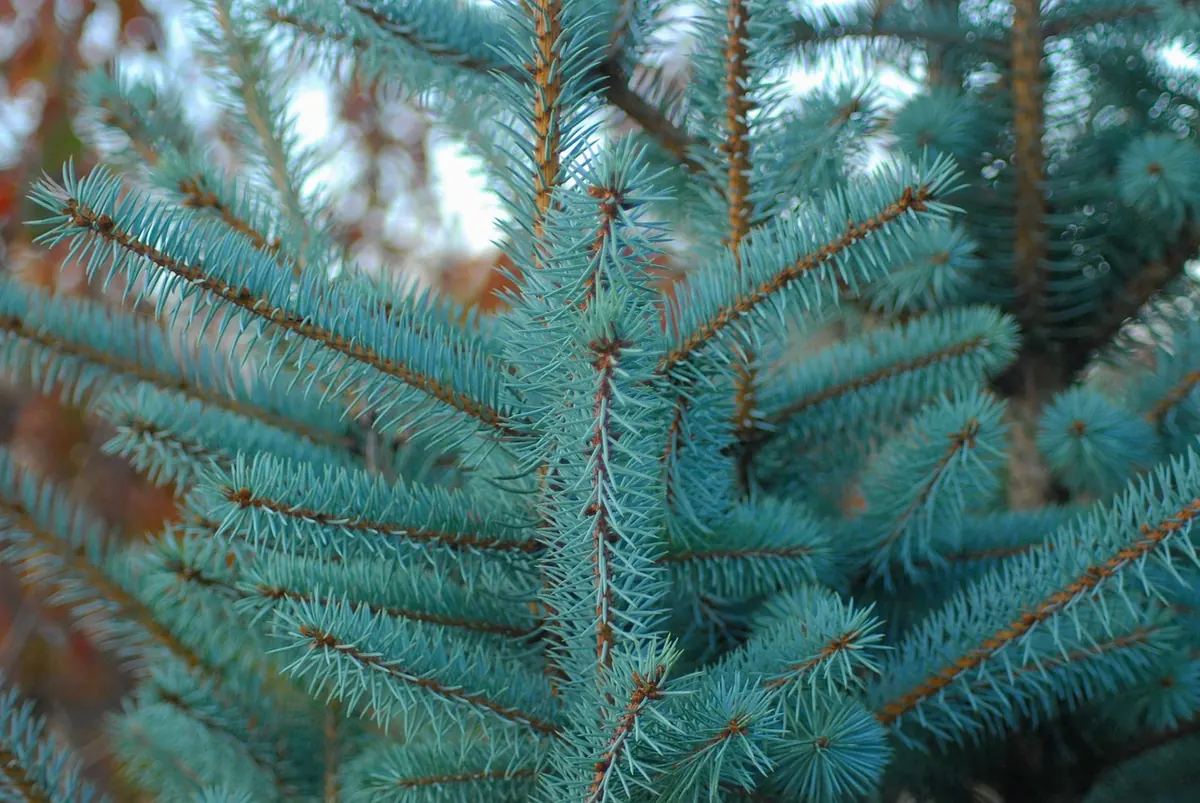
Larch is a conifer, but unlike most conifers grown in Britain it drops its needles each autumn. That slow annual cycle produces dense, close-grained timber with a high resin content, which is what helps it resist rot far better than Scots pine or spruce. The heartwood — the darker, resin-rich centre of the log — is the part that lasts. The pale sapwood around it is far more vulnerable.
Home-grown larch is also a sensible choice for the garden. It is grown, felled and sawn in the UK, often by small mills not far from where it is sold, so it travels far less than imported tropical hardwood. It is not flawless timber: British-grown stock often carries more knots, more small shakes and less uniform colour than imported softwood. For garden work, that character is usually an advantage rather than a problem.
Choosing the right boards for the job
Specify heartwood where it matters. With larch, the difference between a deck that lasts fifteen years and one that goes soft in five is often simply whether the boards are mostly heartwood or a mix of heart and sap.
- Decking boards: 25mm thick boards are fine over joists at 400mm centres. Go to 32mm if you want a stiffer feel, wider spans, or a deck that takes heavy traffic.
- Joists and framing: 100 x 50mm is a common size. Anything sitting close to the ground, or in a damp, shaded corner, needs extra protection.
- Edging: 100 x 25mm or 150 x 25mm boards suit path edges and lawn borders. Use 150 x 50mm where the edge has to retain soil or gravel.
- Raised beds: 25–38mm thick boards, 200–300mm deep, screwed to corner posts of 75 x 75mm or 100 x 100mm.
- Sawn or planed: Sawn boards absorb preservative better; planed boards look smarter on a deck but need more frequent oiling.
Look for boards that are straight, free of large loose knots and not badly twisted. A little wind in a board can be pulled out during fixing; a severe twist cannot. If you are buying from a local sawmill, ask whether the timber is air-dried or kiln-dried. Air-dried larch is often denser but can move more as it dries out on site, so stack it flat and let it settle for a week or two before you start building.
Treating and finishing larch
Larch will survive untreated above ground for a good while, but the moment it touches soil or sits in constant damp, treatment stops being optional. There are two separate jobs here: preserving the timber, and finishing the surface.
For preservation, brush or dip the boards — especially the cut ends — with a solvent-based wood preservative, and re-coat any cut end after sawing. End grain is where water gets in first, so it deserves more attention than the faces. Dowel or cap the tops of posts if they will stand exposed.
For finish, you have a choice. Leave larch bare and it will weather to silver-grey within a season or two; that is a perfectly respectable look and needs little maintenance beyond keeping the surface clean. If you want to hold on to the warm honey colour, use a UV-filtering decking oil and reapply it annually, usually in spring after a clean-down. Avoid heavy film-forming varnishes and water-based sealers on larch. They trap moisture, blister as the timber moves, and are miserable to remove later. A penetrating oil lets the wood breathe.
Simple rule for larch: preserve the ends, oil the faces, and never seal water in.
Building a deck with larch
Larch is not durable enough to be buried or laid directly onto soil, so build a deck much as you would with treated softwood. Set joists on concrete pads or a well-drained sub-base, keep at least 25mm of air movement underneath, and allow a slight fall away from the house — roughly 1:80 is plenty.
Space decking boards 5–8mm apart so rainwater and debris can pass through, and keep the gaps even by using a small offcut as a spacer. Use stainless steel or coated decking screws. Pre-drill near board ends and wherever the timber is especially dense, or you will split it; larch is hard enough that a screw driven without a pilot hole can shear. Keep the growth rings curving upwards — the smile facing up — so any cupping happens away from the surface you walk on.
Edging paths and borders
Edging is where larch earns its keep cheaply. A 25mm board set on edge, held by stakes every 600–800mm, will keep a gravel path or a lawn border neatly in place. Drive the stakes first, then screw the boards to them from the outside, so you can tighten or replace a section later without dismantling the whole run. For a crisp lawn edge, set the top of the board 10–15mm above soil level to give the mower a guide without scalping the turf.
Where an edge has to retain soil, use a thicker board and back it with a geotextile membrane to stop soil washing through the joints. Keep the bottom of the board above the soil line if you can. Buried larch rots.
Raised beds that last
A larch raised bed is a good first project. Make the corners from posts set just inside the frame, screw the boards to them, and line the inside with a permeable membrane to keep damp soil away from the timber. Leave the base open to the ground so worms and drainage can do their work, and add a layer of gravel or rubble at the bottom if the site holds water.
Depth matters more than most people expect: about 250mm suits salads, herbs and shallow-rooted crops, while 300–400mm gives carrots, potatoes and deeper-rooted plants room to work. If you plan to grow food, be careful about preservatives. Creosote-based products are no longer available to amateur gardeners, and modern preservatives are generally considered suitable for garden use — but if you would rather avoid them entirely, build the frame from untreated heartwood larch, line it, and accept that the boards will need replacing sooner. If you are unsure what is in a product, ask the supplier and follow the label.
Getting started: a simple plan
If you are new to this, begin with something small and visible: a three-metre run of path edging, or one raised bed. Order slightly more timber than you think you need, let it settle under cover for a week, and cut everything in one session so your measurements stay consistent.
Then, once a year, walk the garden with a screwdriver and a tin of oil. Tighten anything loose, replace the odd split board, brush dirt out of the decking gaps, and re-oil anything that has gone dry and grey. Twenty minutes of that each spring will keep a larch build looking right for years, and it is the most reliable thing you can do for the timber.